Inside the station 01 / 08
From raw card to sealed slab.
- 01Held by its edges
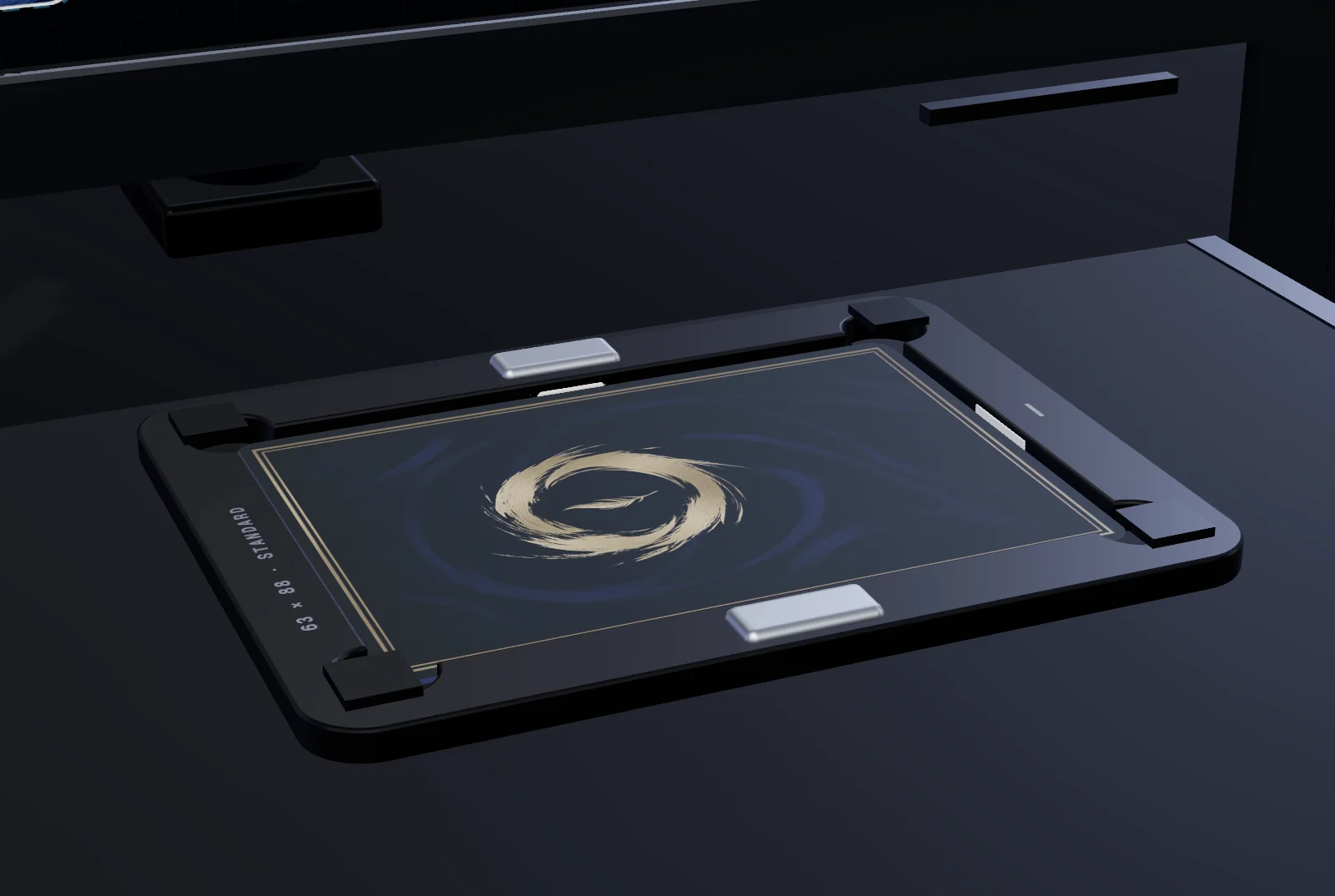
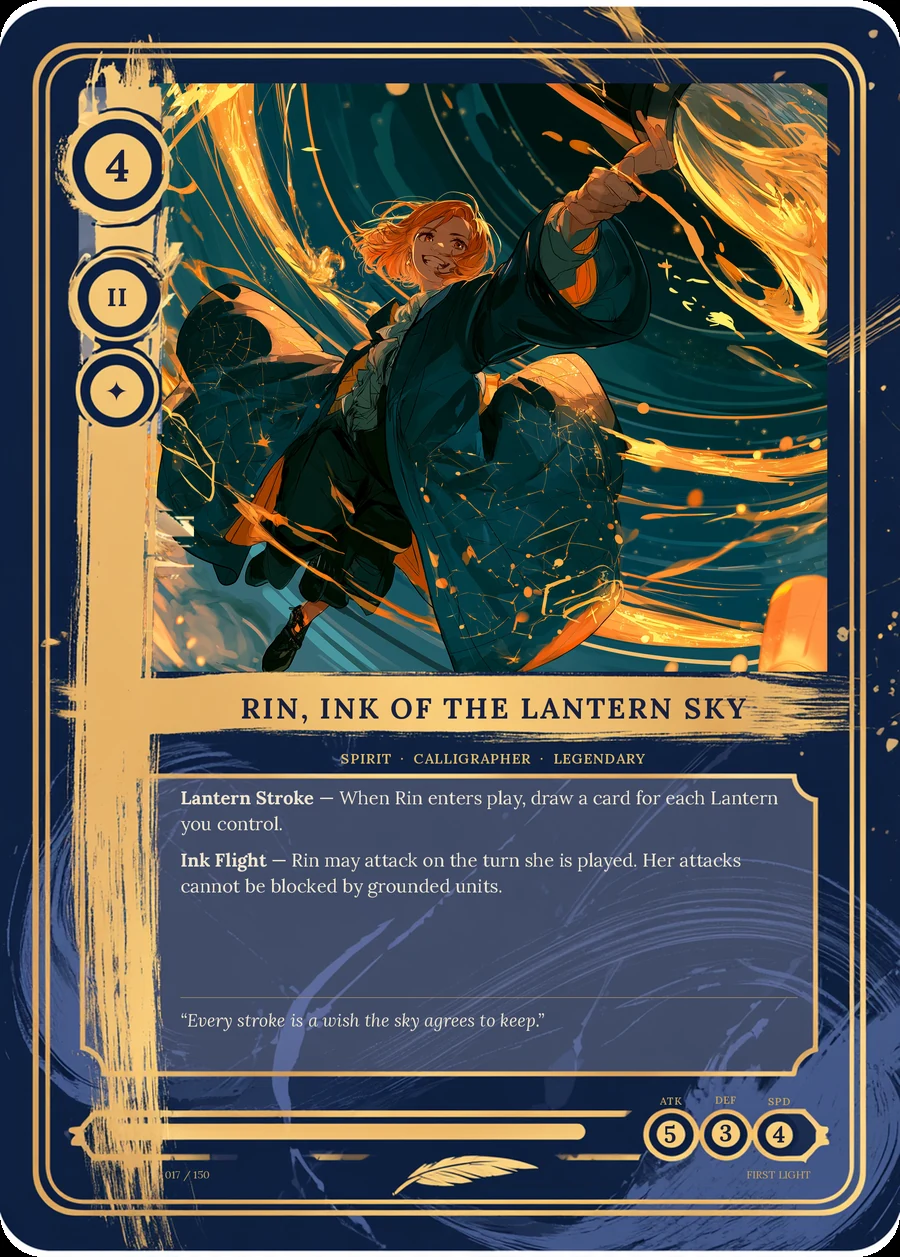
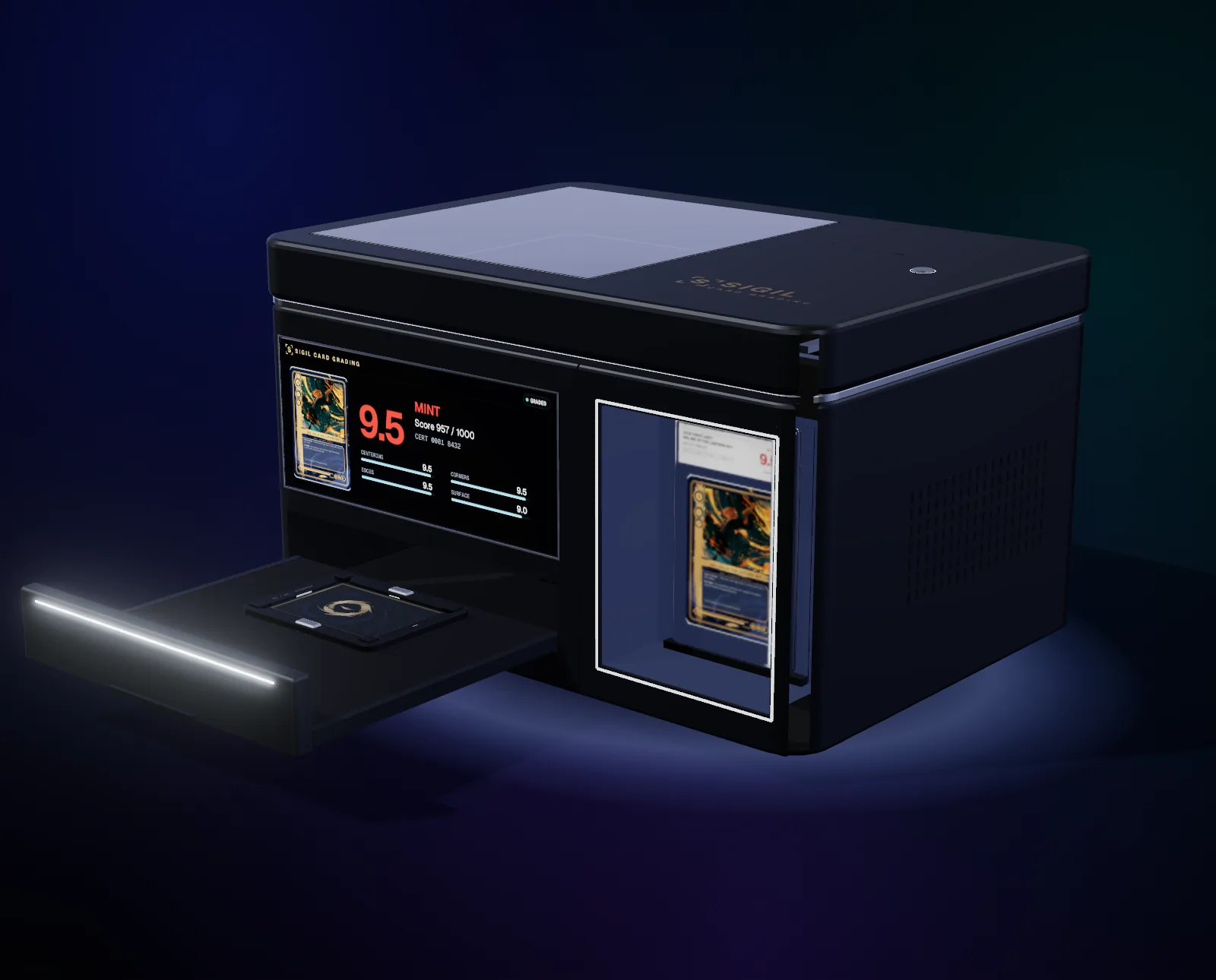
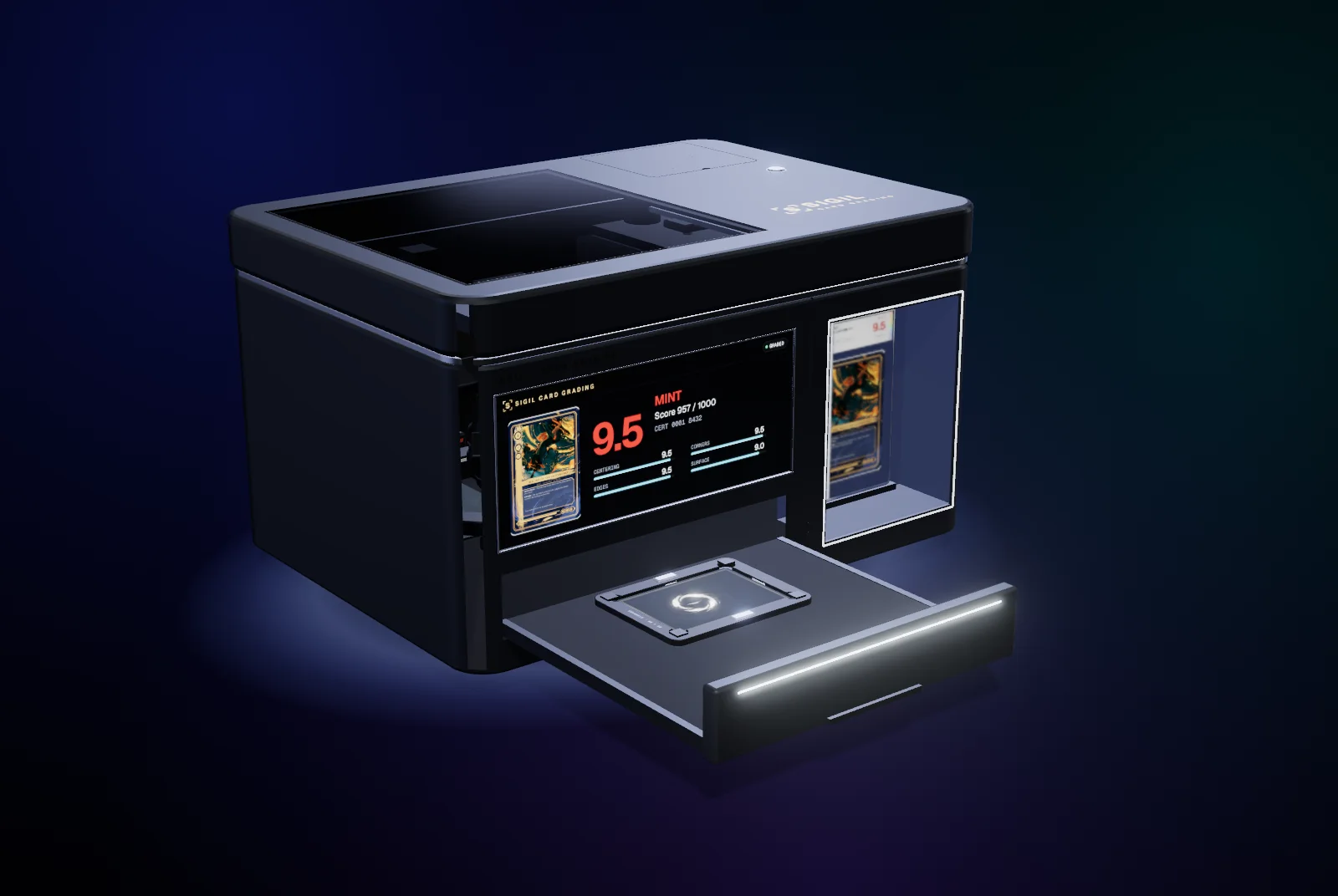
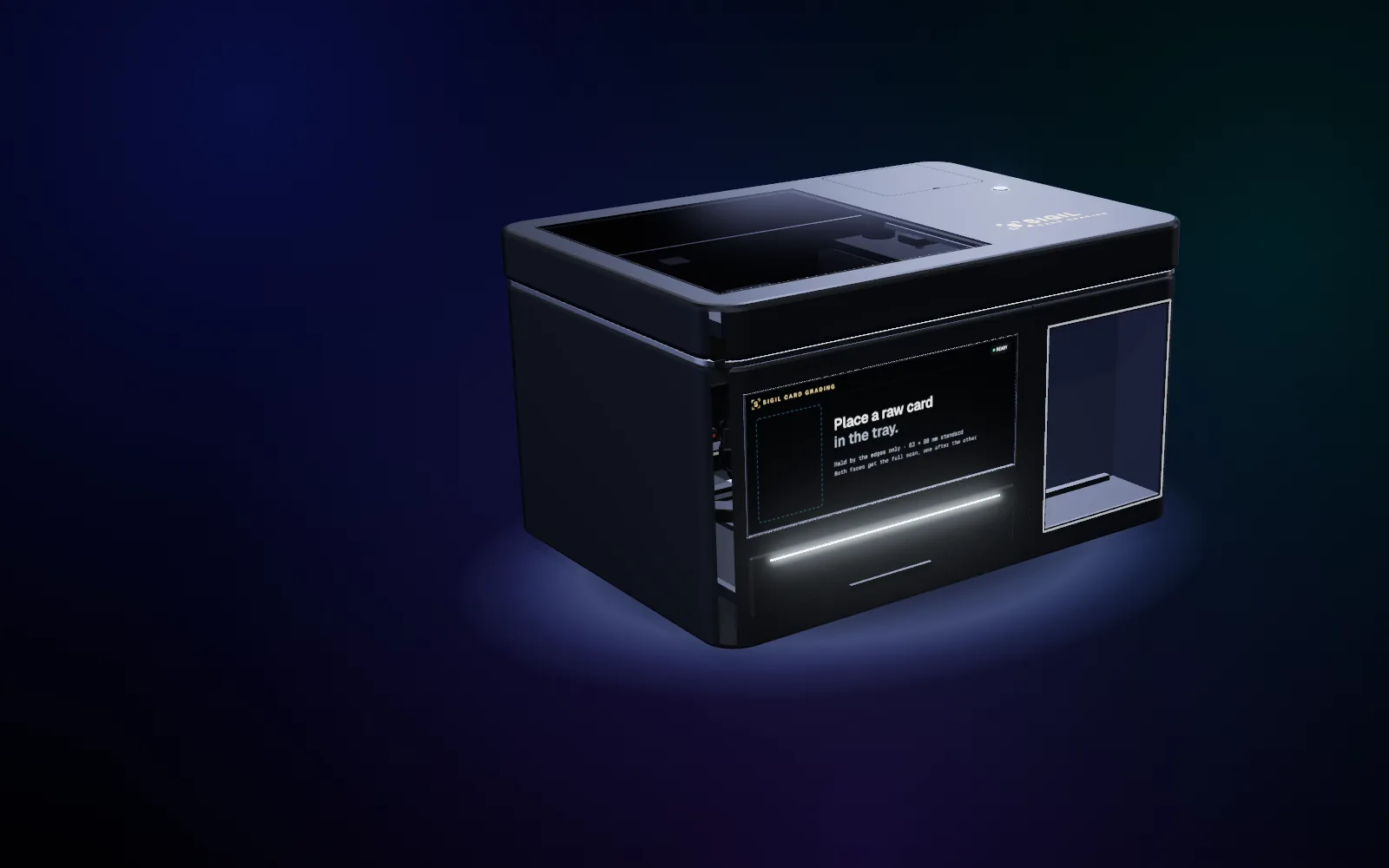
The drawer opens. The card drops into an edge-held cradle and two PTFE-tipped clamps close on its long edges. Nothing touches the face.
- 02A light-tight chamber
The drawer closes. Room light, dust and fingers stay outside, so every card is photographed under the same light.
- 03Six cameras around one card
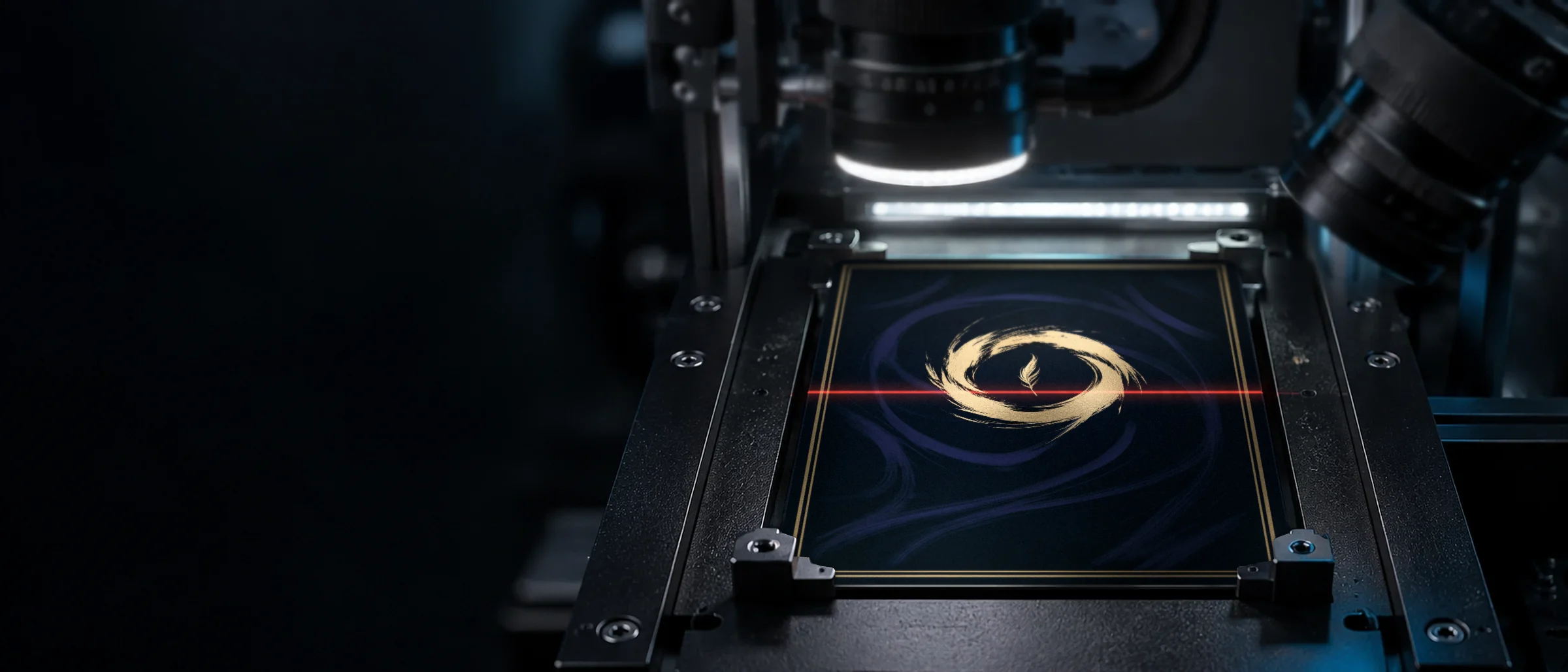
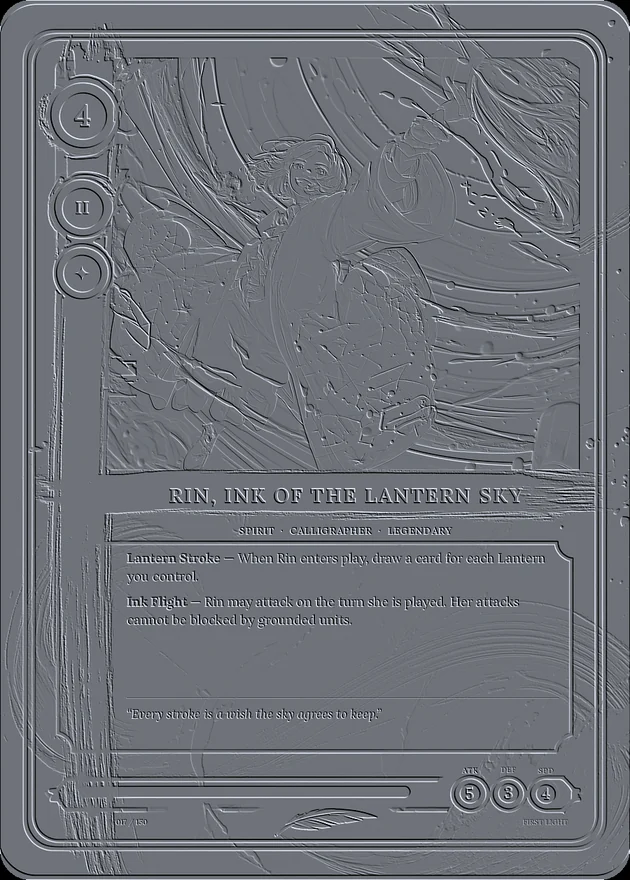
A telecentric camera above, a back camera below, four corner cameras at 45°, a ring of raking lights, UV-A, IR and a laser profiler.
- 04Both faces, fully
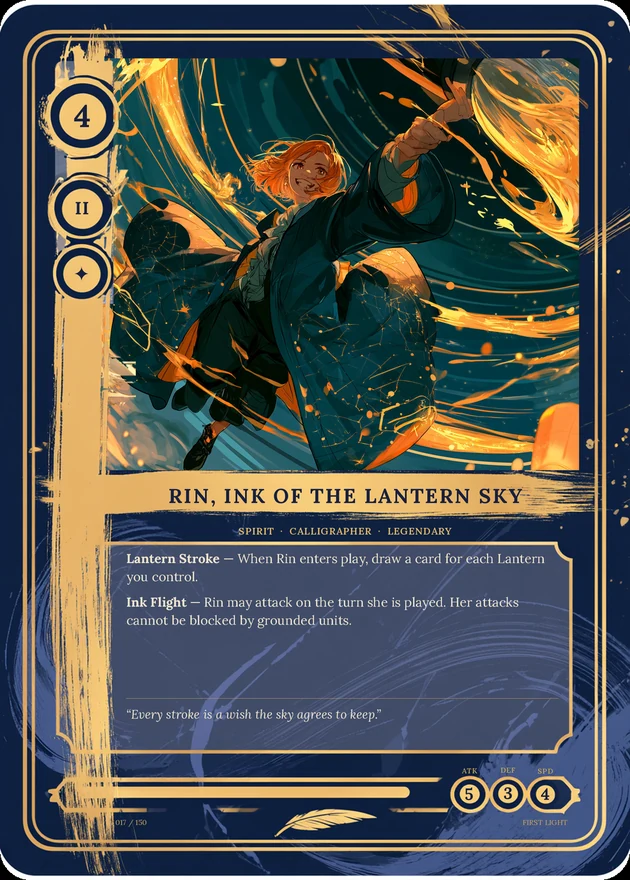
Diffuse white, eight raking directions, UV-A 365 nm, IR 850 nm and a laser sweep on the face that's up. Then the cradle rolls the card over and the other face gets exactly the same. 28 images in about two minutes.
- 05Measured, then reasoned
Computer vision measures centering, corners, edges and surface. AI identifies the card, weighs authenticity and writes the report.
- 06Into its slab
The cradle carries the card out of the chamber, still by its edges and face up after its second pass, turns it a quarter over a fresh back shell and sets it in.
- 07Labelled and welded
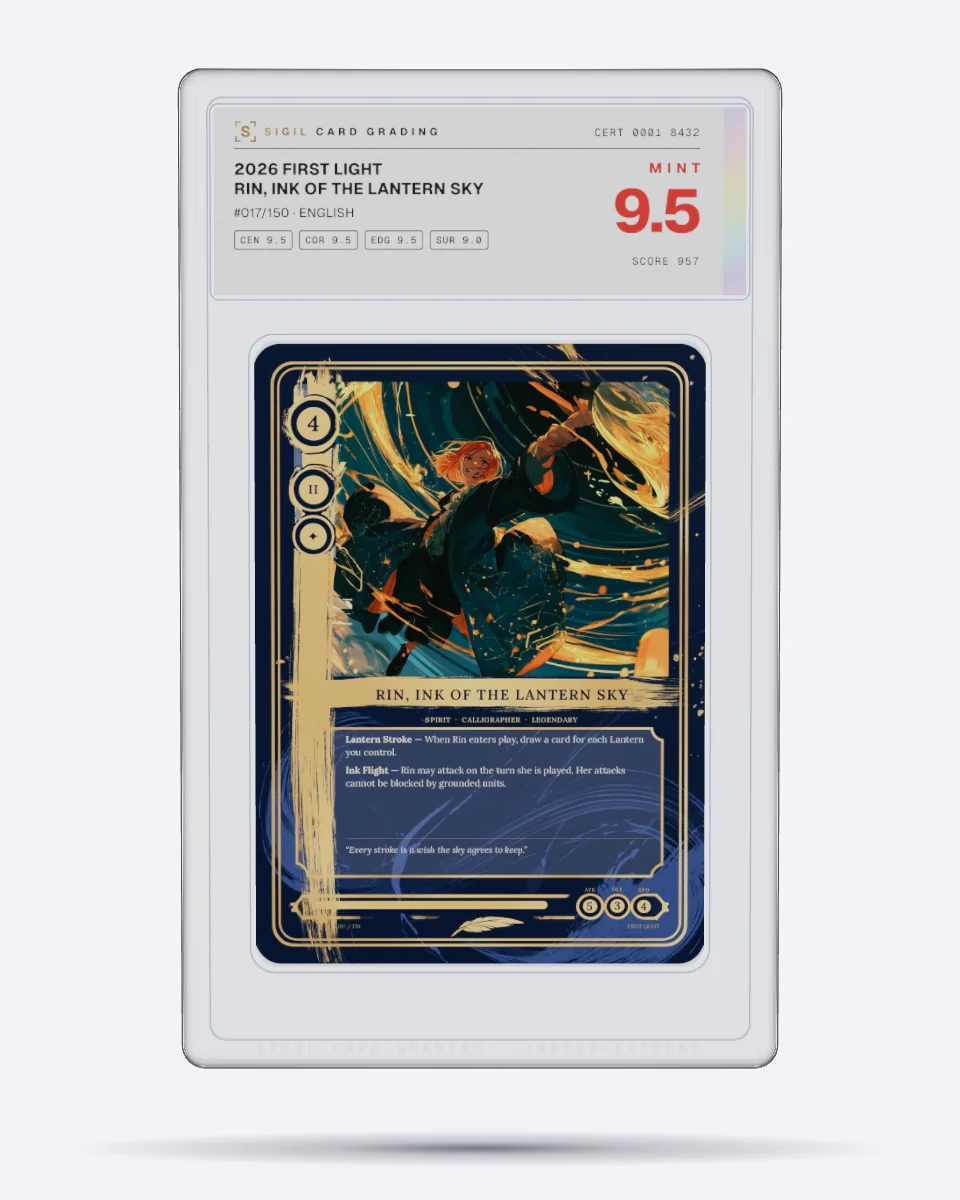
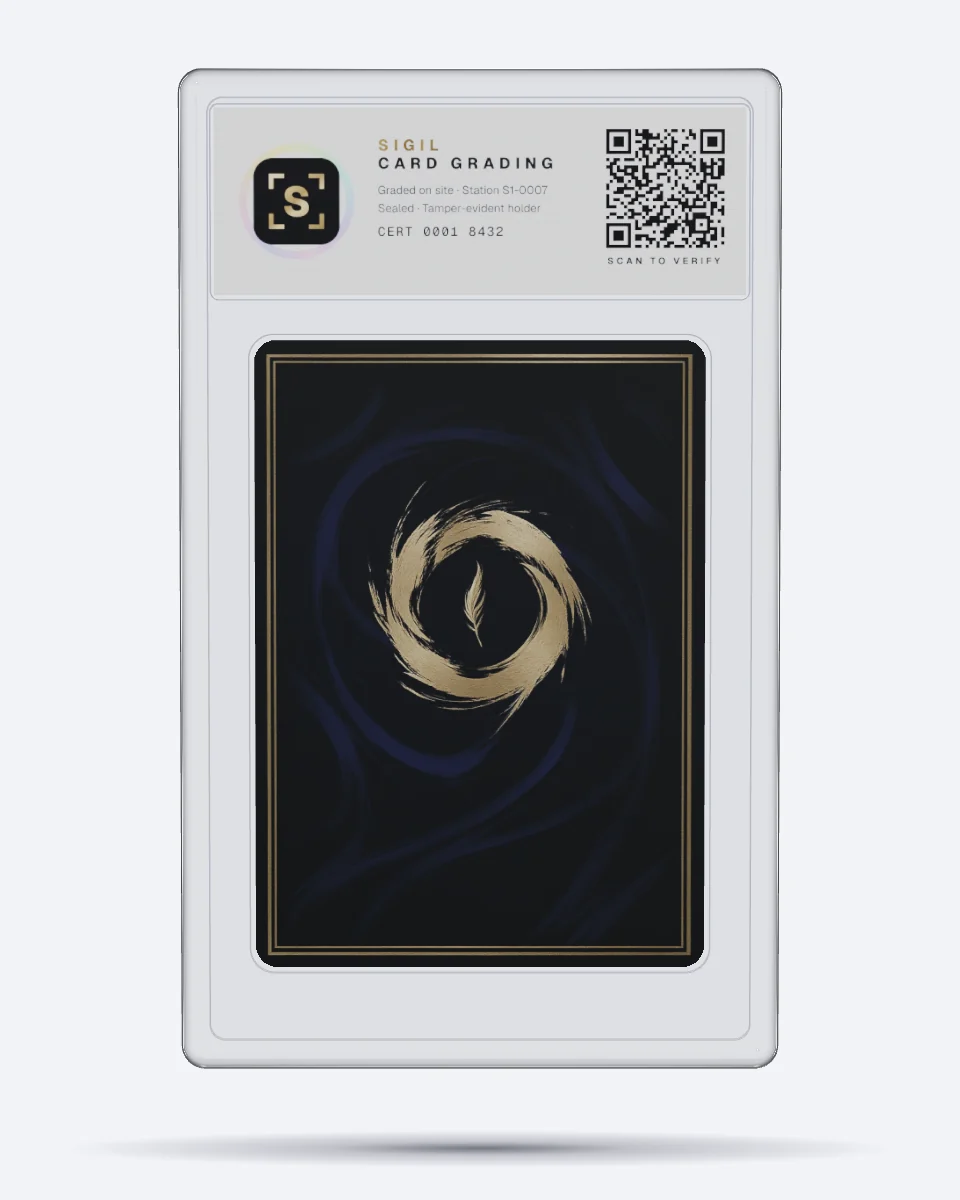
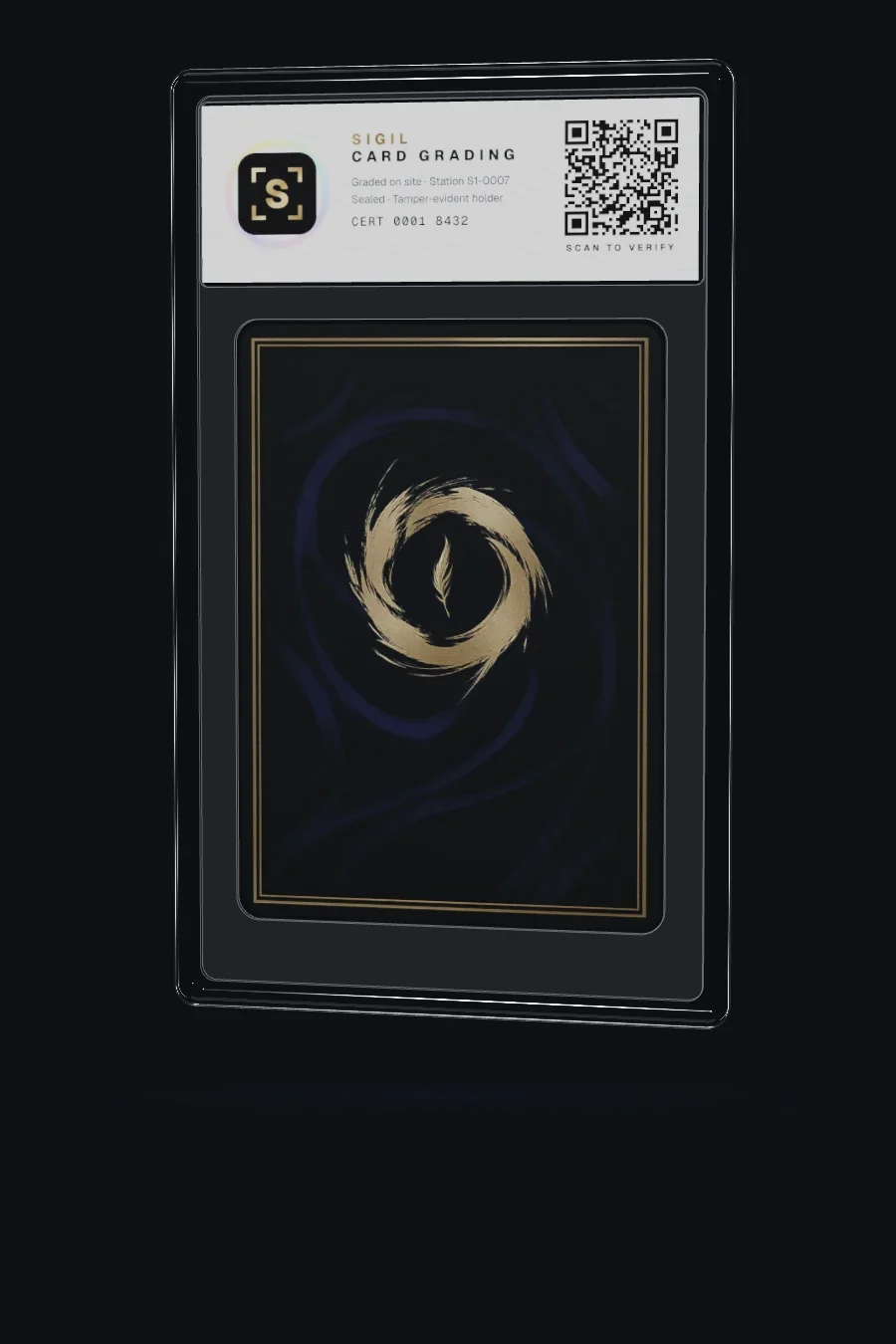
A label with the grade, certificate and QR is printed and slid in, the front shell folds down from the cartridge, and an ultrasonic press welds the slab shut. Opening it breaks the weld.
- 08Out of its own bay
The back wall of the bay swings up and presents the slab, apart from the input drawer, ready to take away.
Scroll to run the station